Plastic Material Solutions for Automotive Components
YicaiPlas develops modified plastic compounds and masterbatch for automotive component requirements — mechanical performance, flame retardancy, weatherability, dimensional stability, processing, and appearance.
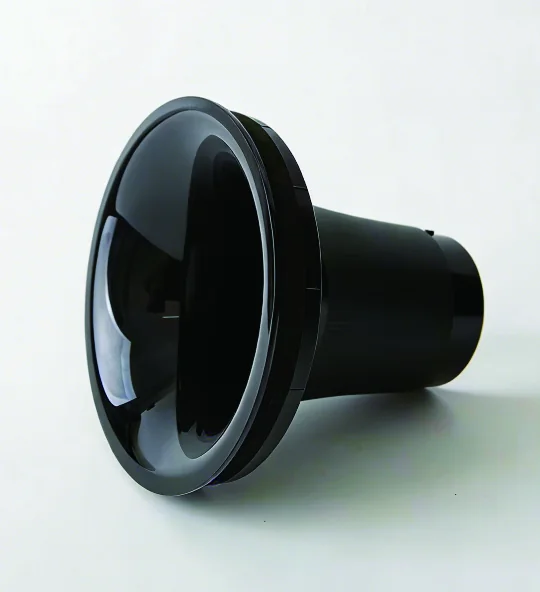
Automotive Material Challenges
Automotive components are specified under mixed demands. Each part needs a material direction matched to its function, environment, and process.
- ✓Impact and mechanical performance for safety- and function-critical parts
- ✓Stiffness and dimensional stability for structural and load-bearing components
- ✓Heat and operating-environment resistance for under-hood and enclosed spaces
- ✓Flame-retardant requirements where the component specification calls for them
- ✓Outdoor weatherability for exterior and sun-exposed parts
- ✓Surface appearance and color consistency for visible components
- ✓Processing consistency across high-volume production
Material Performance Requirements We Evaluate
We assess automotive material directions against the requirements of your specific component — not a single universal specification.
Mechanical Performance
Strength, modulus, and long-term load behavior sized to the part’s function.
Impact / Toughness
Energy absorption and crack resistance across the expected temperature range.
Stiffness / Dimensional Stability
Dimensional control and creep resistance for fitted and structural parts.
Flame-Retardant Requirements
Evaluated per component, material system, and customer specification where applicable.
Weathering / UV Exposure
Color and property retention assessed for exterior and sun-exposed service.
Appearance / Color / Surface
Surface quality and color matched to the visible-part requirement.
From Component to Material Direction
A starting point for mapping common automotive components to the material directions worth evaluating.
Interior Components
Key requirement: Low gloss, surface quality, appearance, dimensional stability, and optional flame-retardant spec
Material directions: Modified Plastics · Color Masterbatch · PC/ABS
Exterior & Weather-Exposed
Key requirement: UV and color stability, outdoor exposure, low-temperature impact, and surface requirements
Material directions: Custom ASA Compounds · UV Resistant PP · Color Masterbatch
Structural & Functional Parts
Key requirement: Stiffness, dimensional stability, impact
Material directions: Reinforced Polypropylene · Modified Plastics · High Impact PP
Electrical & Electronic Housings
Key requirement: Electrical behavior and flame-retardant spec where applicable
Material directions: FR ABS · FR PP · PC/ABS
Appearance & Color
Key requirement: Color development and consistency for visible parts
Material directions: Color Masterbatch
Recommended Material Directions
Material directions we develop and supply for automotive component requirements. Each is evaluated against your part requirements.
Modified Plastics
Best for: Components needing a tailored compound
Parent capability: formulation, reinforcement, impact and heat modification around your specification.
→ Explore Modified PlasticsPC/ABS
Best for: Balanced impact, heat, and appearance
A versatile engineering blend for interior and electronic housings where applicable.
→ Explore Automotive PC/ABSHigh Impact PP
Best for: Toughness-focused PP parts
Impact-modified PP for clips, trims, and impact-exposed components.
→ Explore High Impact PPReinforced Polypropylene
Best for: Stiffness and dimensional stability
Glass-fiber reinforced PP for brackets and structural-functional parts.
→ Explore Reinforced PPUV Resistant PP
Best for: Weather-exposed PP components
UV-stabilized PP for exterior and sun-exposed parts.
→ Explore UV Resistant PPFlame Retardant ABS
Best for: FR requirement directions
Flame-retardant ABS evaluated where the component specification requires it.
→ Explore FR ABSFlame Retardant PP
Best for: FR requirement directions
Flame-retardant PP evaluated where the component specification requires it.
→ Explore FR PPCustom ASA Compounds
Best for: Weather-resistant exterior parts
ASA-based compounds for weatherable exterior components and profiles.
→ Explore Custom ASA CompoundsInformation We Use for Material Selection
Sharing the right details up front shortens evaluation and improves the first compound proposal.
Manufacturing & Custom Development
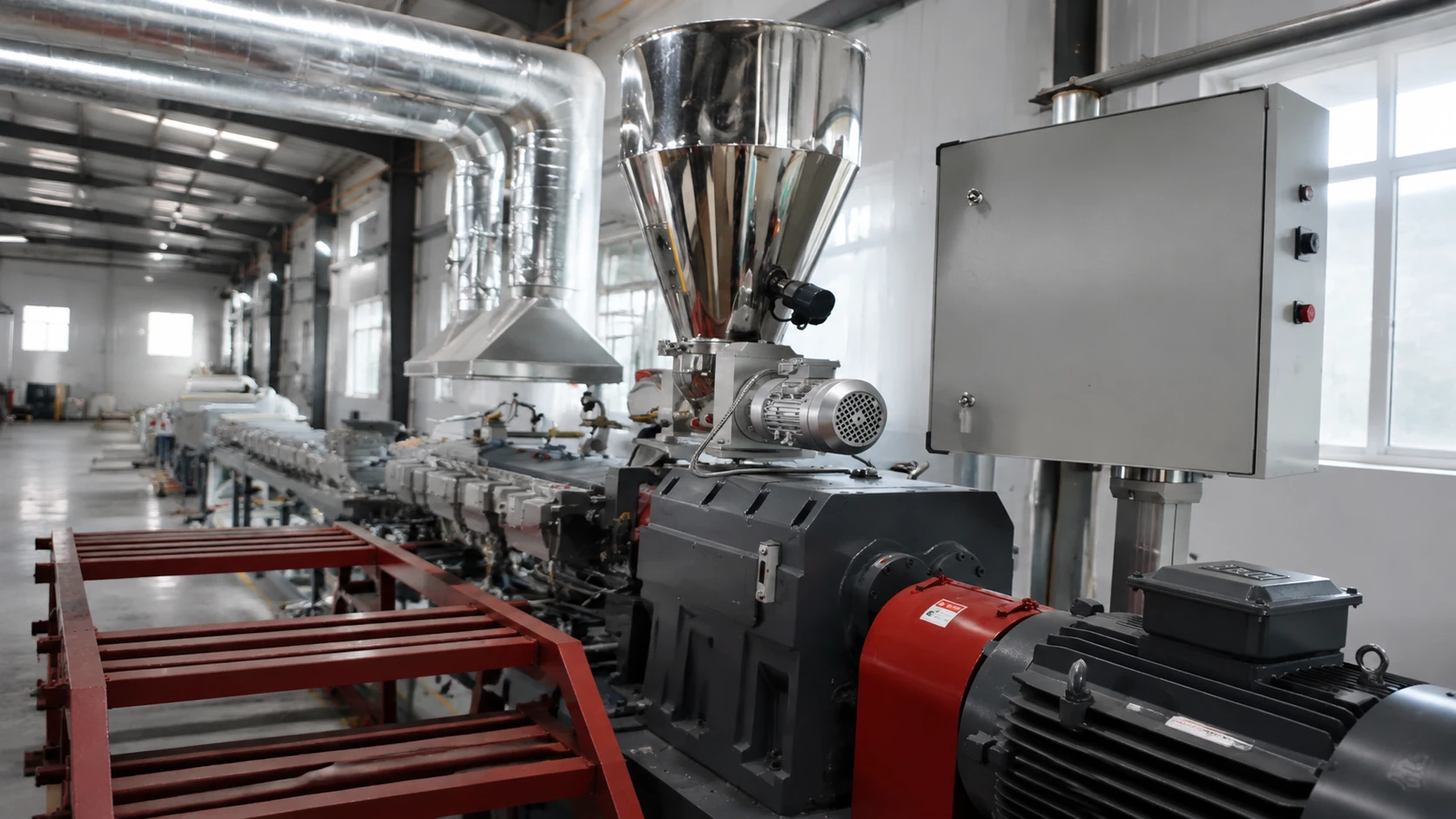
Automotive material development is supported by compounding, color and additive integration, and consistent batch control.
- ✓Material formulation and compounding
- ✓Color and additive integration where applicable
- ✓Sample development and compound evaluation
- ✓Processing feedback and formulation adjustment
- ✓Batch-to-batch consistency
Manufacturing operations are supported by an ISO 9001:2015 certified quality management system.
Project Development Process
A practical path from component definition to confirmed material supply.
- 01Define the automotive component and its function
- 02Confirm the processing method
- 03Define performance requirements
- 04Select a material direction
- 05Sample and compound evaluation
- 06Processing feedback and adjustment
- 07Final material confirmation and supply
Automotive Material Selection FAQ
Practical questions from component engineers and buyers.
Which automotive plastic should I choose?
It depends on the component: interior parts often use modified PP or PC/ABS, structural parts use reinforced PP, exterior parts use weather-resistant compounds such as ASA or UV-stabilized PP, and electrical housings use flame-retardant grades where specified. We evaluate against your part requirements.
PP or PC/ABS?
PP compounds can be considered where low density, processing efficiency, and cost are priorities. PC/ABS may be evaluated where a different balance of heat resistance, impact performance, dimensional stability, and surface requirements is needed. Final selection depends on the component specification and processing conditions.
Can material properties be customized?
Yes. We develop compounds around your specification — reinforcement, impact modification, heat resistance, flame-retardant requirements, and color — then evaluate the proposed material through sample development and project-specific testing where applicable.
Can YicaiPlas support color development?
Yes. Color masterbatch and compound color matching are part of our development scope for visible automotive parts.
How do I request technical data?
Use the Request Technical Data link on this page. Data is shared per grade and project after we understand your requirements.
What information should I send for material evaluation?
Component type, processing method, geometry, mechanical and thermal requirements, operating environment, any flame-retardant need, and appearance/color specification.
Need Help Selecting a Plastic Material for an Automotive Component?
Send your component requirements and our team will propose a material direction and development path.