Custom Reinforced PP Compound
Glass-Fiber-Reinforced Polypropylene for Custom Performance Requirements
PP compound evaluated per application, resin system and end-use requirements
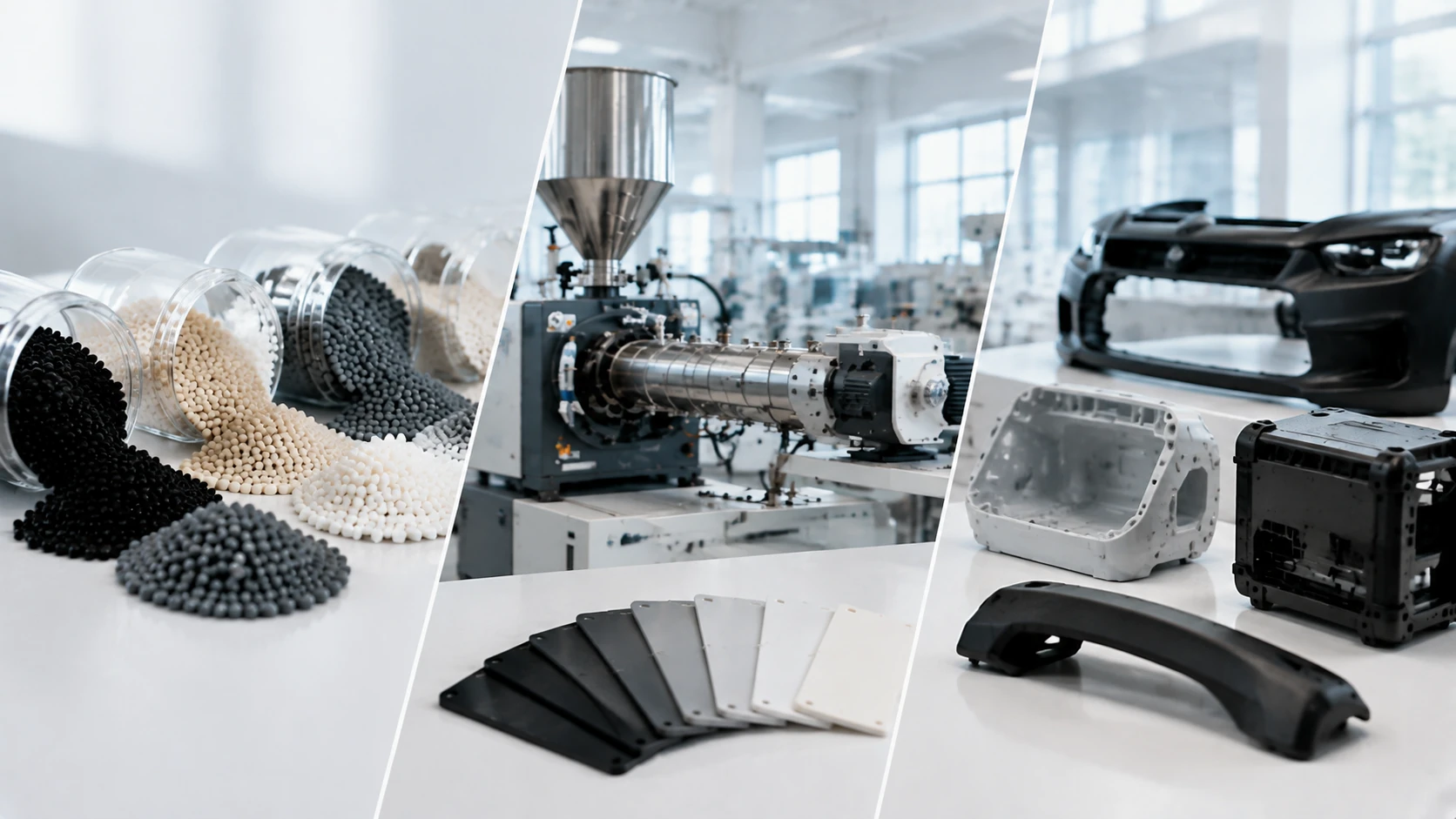
What Glass-Fiber Reinforcement Does
Glass fiber reinforcement provides increased stiffness, structural strength and dimensional stability to polypropylene. Reinforcement level is selected according to project requirements, performance balance and processing conditions. Final result depends on base resin system, part design, molding method and service environment.
Performance Requirements We Can Evaluate
Mechanical and thermal performance are evaluated per project. Fixed specifications are not available.
Structural Stiffness
Flexural modulus and stiffness evaluated per part geometry, wall thickness and load requirements.
Mechanical Strength
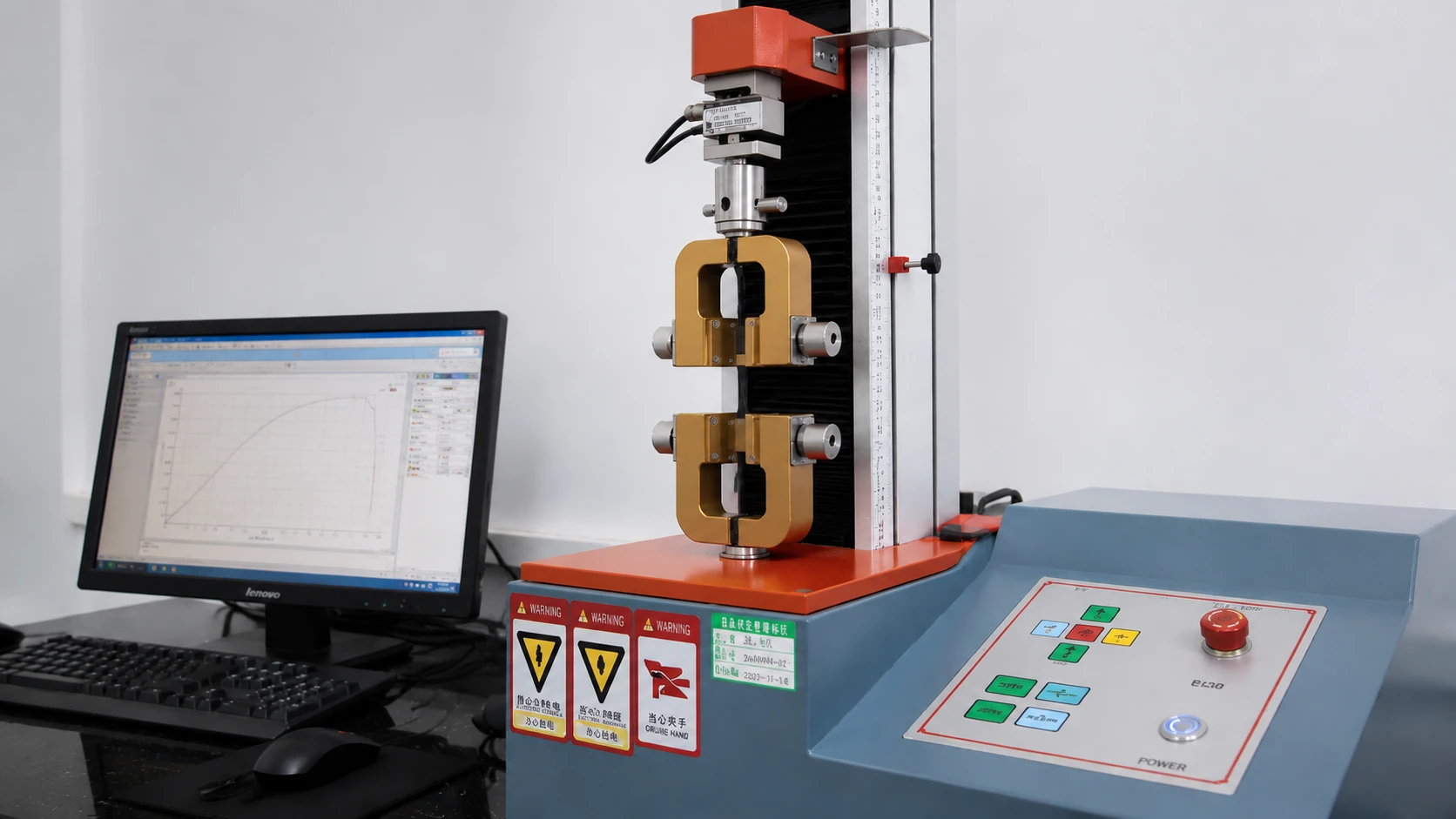
Tensile and flexural strength assessed per target application and service conditions.
Impact Balance
Impact resistance evaluated per service temperature, geometry and functional requirements.
Dimensional Stability
Shrinkage and dimensional stability assessed for part tolerances and molding conditions.
Heat Requirements
Heat deflection temperature and thermal stability assessed per application environment.
Processing & Part Design
Melt flow, fiber orientation and processing window assessed for injection and part design.
Reinforcement & Material Selection Factors
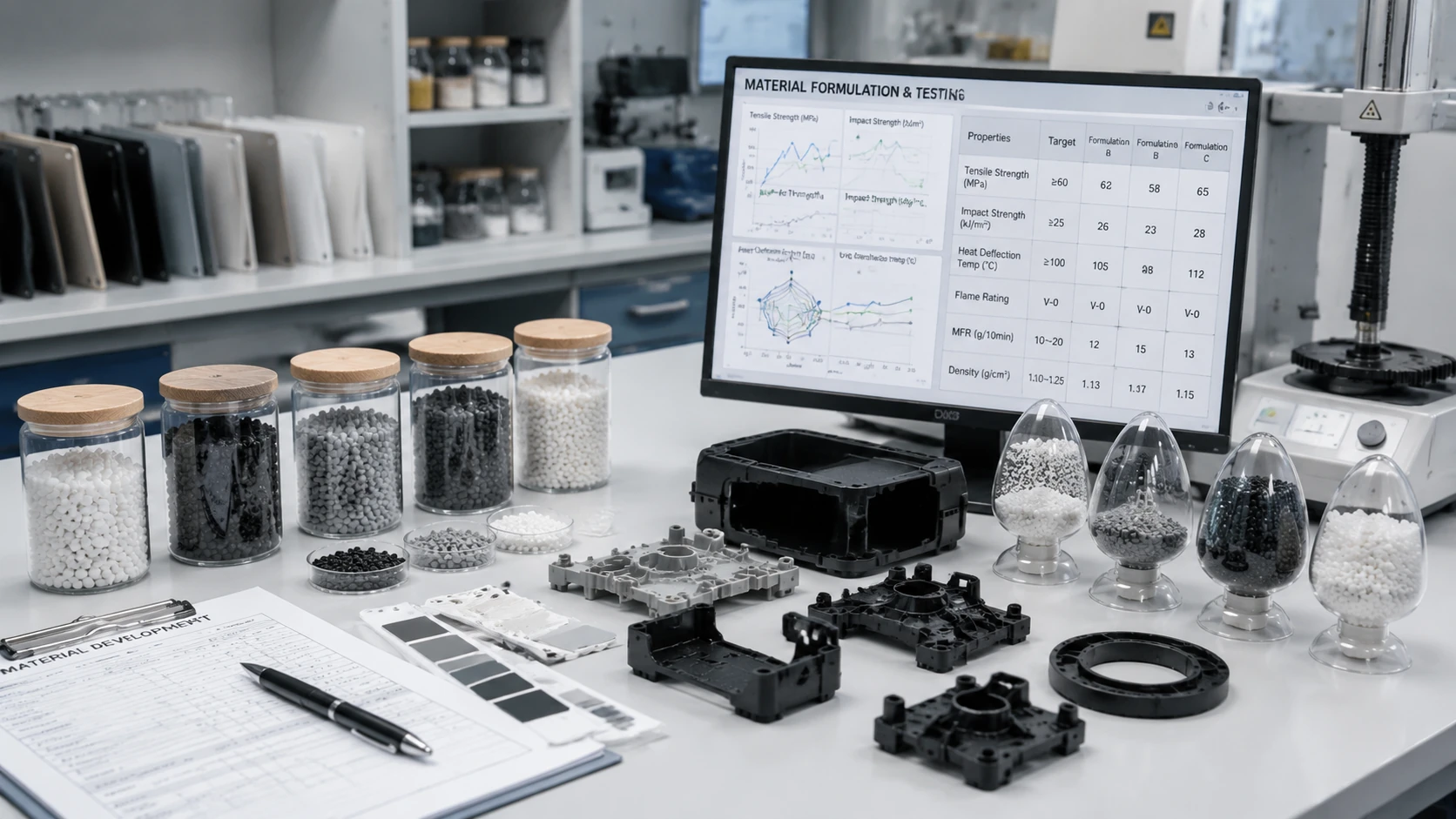
Glass fiber content and formulation are selected per project. No fixed standard grades.
Factors considered in material development:
- Base resin system (homopolymer, copolymer)
- Reinforcement requirement (stiffness, strength)
- Part geometry and wall thickness
- Processing conditions (injection, flow)
- Surface and appearance requirements
- Mechanical target and service conditions
Processing & Part Design Considerations
Injection molding of glass-fiber reinforced PP requires attention to fiber orientation, melt flow, shrinkage and surface appearance. These factors are evaluated per part design and target process.
- Fiber orientation per geometry and gate location
- Flow behavior for mold filling
- Shrinkage and warpage considerations
- Surface appearance and aesthetic requirements
- Tooling design and part geometry
Application Directions
Glass-fiber reinforced PP is evaluated for applications where stiffness and dimensional stability are critical requirements.
Automotive Components
Dashboard structures, door modules, consoles and interior components where stiffness and dimensional stability are critical.
Appliance Components
Structural components for washing machines, refrigerators and kitchen appliances requiring stiffness and stability.
Electrical & Structural Components
Enclosures, brackets and structural components for electrical and industrial equipment.
General Industrial Parts
Functional components for machinery, pumps and equipment where stiffness enhances performance.
Manufacturing & Quality Control
- ISO 9001 quality management system
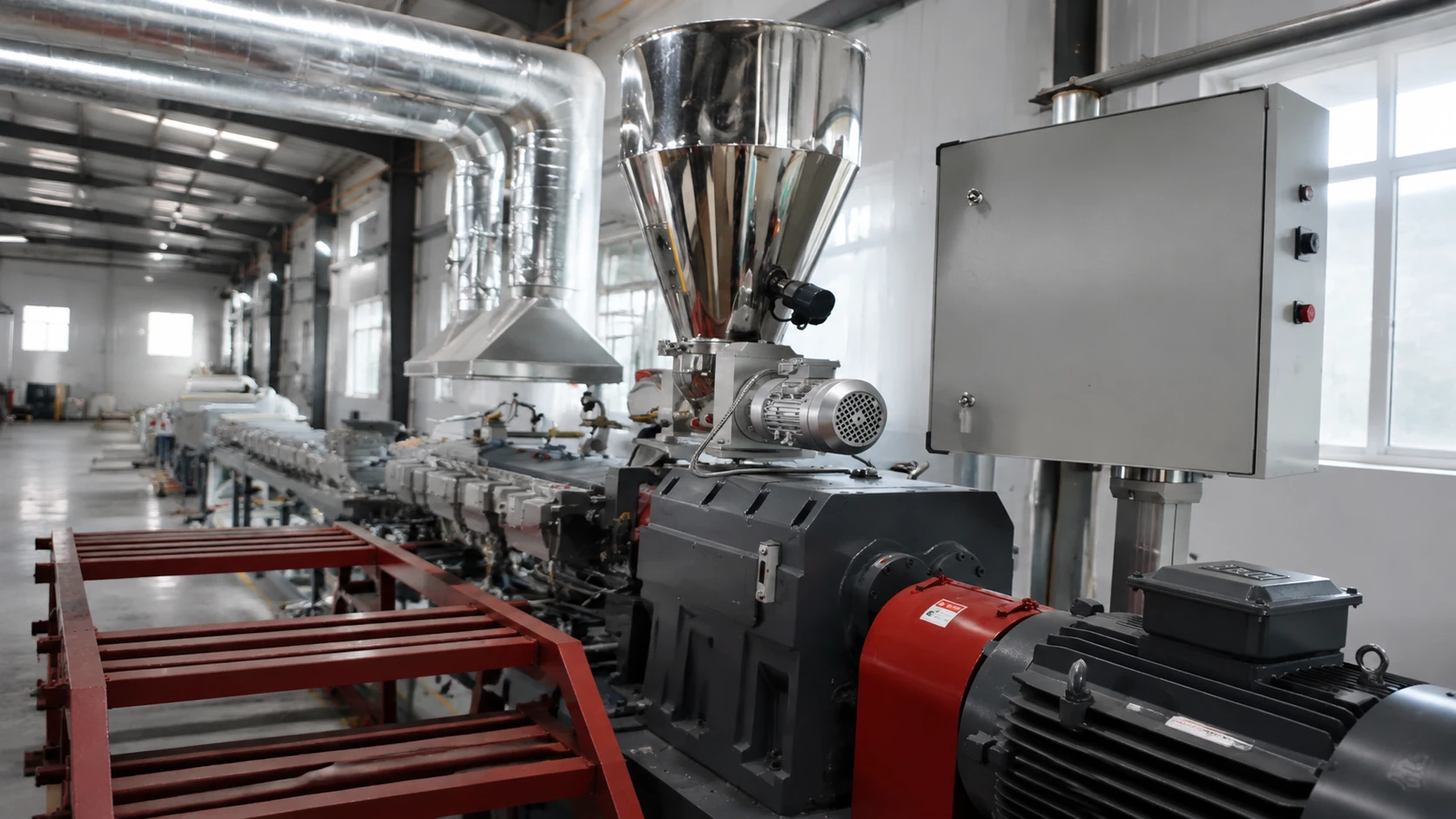
- In-house compounding with twin-screw extruders
- Process parameter control for consistent fiber dispersion
- Batch traceability from raw material to finished product
- Flexible batch sizes for development and volume production
- Quality verification per agreed specifications
Custom Development Process
Define Application
Confirm Base Polymer
Define Stiffness/Strength Targets
Evaluate Reinforcement Direction
Compound Development
Sample Validation
Production Confirmation
Final formulation and reinforcement level depend on project requirements.
Related Solutions
Modified Plastics
Full range of modified compounds including impact modification, flame retardancy and processing optimization.
High Impact PP
Impact-modified PP compounds for applications requiring toughness and impact resistance.
Flame Retardant PP
Flame-rated PP compounds for electrical applications and components requiring safety compliance.
UV Resistant PP
Weather-resistant PP compounds for outdoor and sun-exposed applications.