Flame resistance requirements
Reviewed as an application requirement and confirmed by grade, thickness, part design, and requested documentation.
Engineering response within 24 hours
Electrical & Electronics Material Solutions
YicaiPlas supports material selection for electrical housings, electronic enclosures, connectors, appliance components, and industrial electrical parts where processing, durability, appearance, and application requirements must be evaluated together.
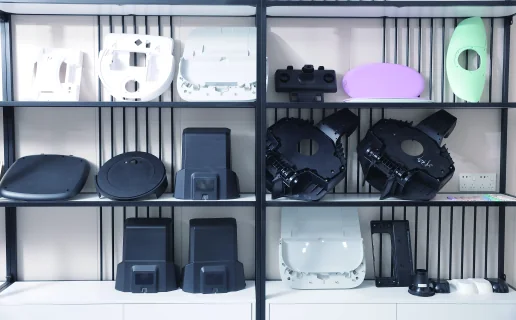
Electrical and electronic components often need a balanced material direction rather than a single property claim. We review the part design, process, use environment, and documentation needs before recommending a material path.
Balancing flame resistance requirements with molding performance and surface quality.
Maintaining dimensional stability for housings, covers, clips, and connector-adjacent parts.
Selecting a material direction that matches part thickness, geometry, use environment, and assembly needs.
Supporting purchasing and engineering teams with material directions based on actual component requirements.
Reviewed as an application requirement and confirmed by grade, thickness, part design, and requested documentation.
Considered for housings, covers, connectors, and components where separation and protection are part of the design intent.
Evaluated according to operating environment, assembly tolerances, and long-term part expectations.
Reviewed for molded parts that must handle assembly stress, handling, vibration, or installation conditions.
Important for visible housings, appliance parts, controls, covers, and branded electronic components.
Material direction must support the molding window, flow needs, color consistency, and production repeatability.
Flame retardant ABS, PC/ABS, or customized modified plastics depending on impact, heat, appearance, and documentation needs.
PC/ABS or modified plastics when balance among toughness, surface appearance, and dimensional stability is required.
Material direction is evaluated by geometry, insulation needs, heat exposure, and processing constraints.
Flame retardant ABS, flame retardant PP, or PC/ABS may be reviewed depending on part function and operating environment.
Candidate direction for housings and molded components that require flame resistance review with good processability and appearance.
Candidate direction when impact strength, heat resistance, surface quality, and dimensional stability need to be balanced.
Candidate direction for lightweight parts where polypropylene processing and application requirements fit the project.
Custom direction for projects needing formulation adjustment, property balance, color matching, or application support.
Supporting direction when stiffness and dimensional stability are key review factors.
Supporting direction for visual identification, brand color, or controlled color consistency in a defined material system.
Part drawing or target geometry
Wall thickness range and molded part weight
Operating temperature and use environment
Assembly method, screw boss, clip, snap-fit, or welding needs
Appearance, color, texture, and surface finish expectations
Molding equipment, tool condition, and processing constraints
Required documentation or customer approval process
Target annual volume and trial schedule
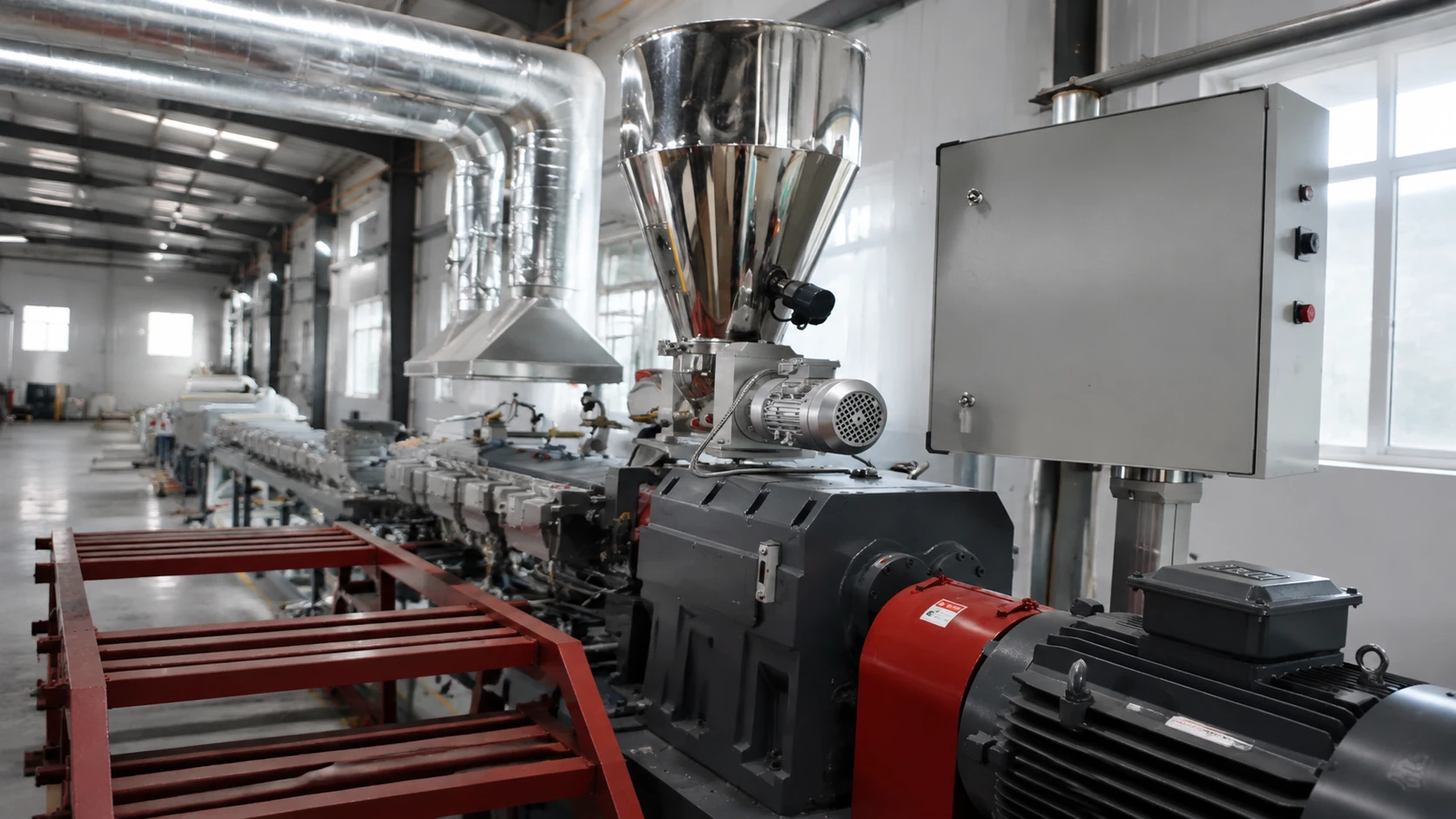
Our development workflow connects formulation review, compounding, pelletizing, color matching, processing feedback, and application support so material recommendations can be adjusted around the real part and production process.
Electronics material projects are handled as a technical selection process. The goal is to reduce unsupported assumptions before production trials and support stable communication between purchasing, engineering, and molding teams.
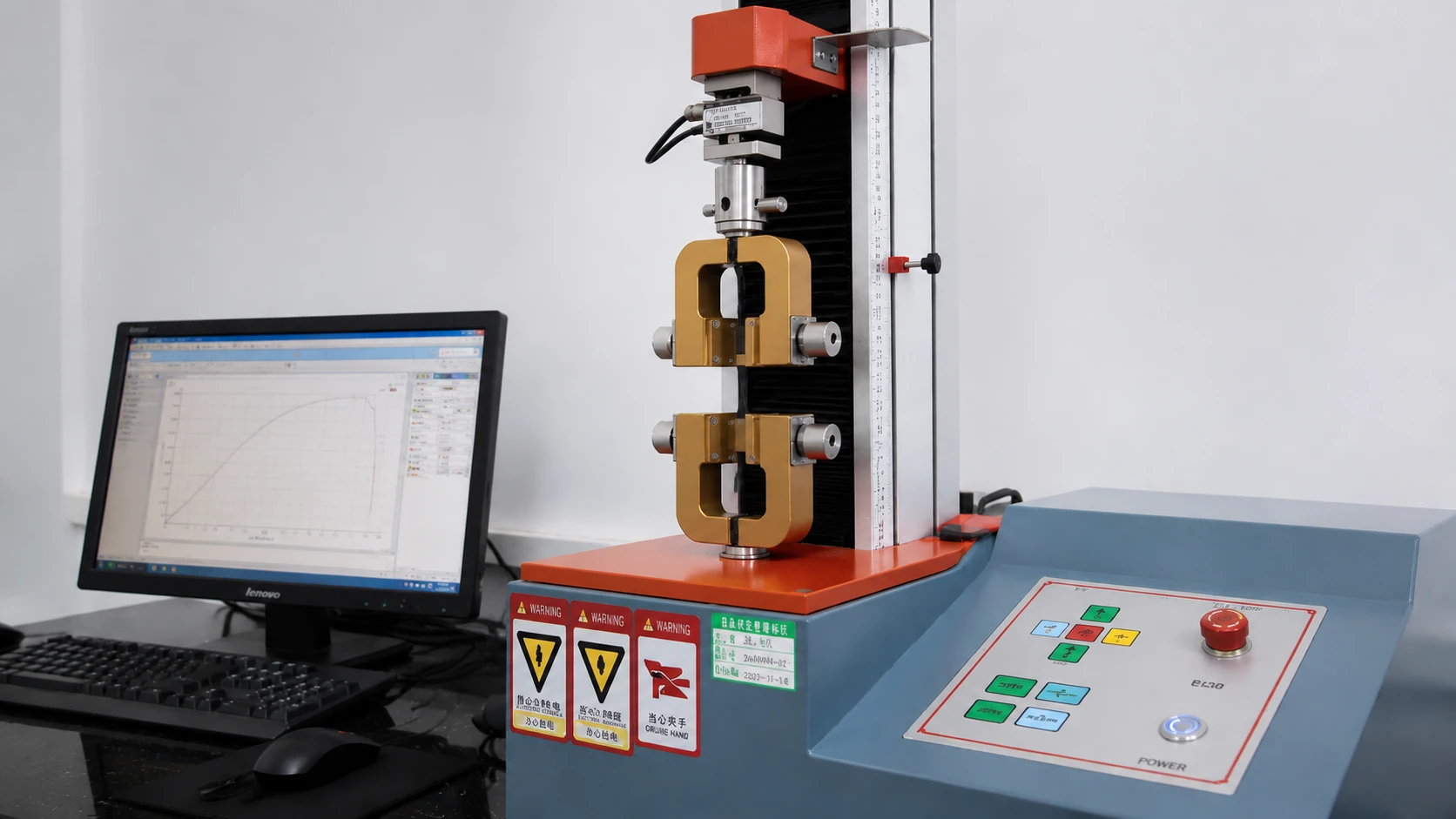
Common directions include flame retardant ABS, PC/ABS, flame retardant PP, and customized modified plastics. The final choice depends on part geometry, process, operating environment, appearance, and documentation requirements.
No. Electrical housings, electronic enclosures, connector-adjacent parts, and appliance components can require different material directions. The recommendation should be based on application requirements and grade-level data.
Yes. YicaiPlas can review formulation direction, compounding, color matching, processing feedback, and technical data preparation for customized engineering plastic projects.
Useful information includes part type, wall thickness, target process, operating environment, appearance requirements, tooling constraints, expected production volume, and documentation expectations.
Share the part type, target process, operating environment, thickness range, color requirements, and any documentation expectations. Our team can review suitable material directions and provide technical data for evaluation.