Custom Impact-Modified PP
High Impact PP Compounds for Customized Toughness Requirements
Impact-modified polypropylene compounds developed according to project-specific requirements for toughness, low-temperature performance, and processing balance. Formulation direction, evaluation criteria, and validation depend on each project.
What We Develop
YicaiPlas can develop impact-modified polypropylene compounds according to project-specific requirements such as impact resistance, stiffness–toughness balance, flow behavior, processing conditions, application environment, and part requirements.
Impact-modified PP focuses primarily on toughness and dynamic loading response. This is not equivalent to reinforced PP, which prioritizes stiffness or dimensional stability. For many projects, both routes should be compared before selecting material candidates.
Performance Requirements We Can Evaluate
Impact resistance
Impact performance requirements depend on the application, expected loading conditions, temperature range, and validation method.
Stiffness–toughness balance
Higher impact resistance may influence stiffness, dimensional stability, and part feel. The balance should be evaluated for the end use and required testing.
Low-temperature behavior
If low-temperature performance is required, the operating temperature range, impact method, and validation criteria should be defined for the project.
Part geometry & wall thickness
Impact performance can vary with ribs, radii, thin sections, gate locations, and thickness distribution. Final part validation should use representative conditions.
Processing requirements
Flow, shrinkage, cycle time, and molding window should be reviewed for the selected formulation and the project tooling.
Appearance & surface
Impact modification may affect surface finish, color, gloss, and visual consistency. Appearance requirements should be specified.
Final formulation depends on project requirements. No fixed performance values should be assumed at the page level.
Material Selection Factors
| Development Direction | Evaluation Focus |
|---|---|
| Impact-focused modification | Evaluate impact resistance, ductile behavior, and low-temperature performance according to project testing. |
| Stiffness–toughness balance | Review trade-offs between rigidity, impact resistance, and dimensional stability for the application. |
| Mineral-filled impact modification | Combine impact modification with talc or mineral fillers for stiffness and toughness, subject to validation. |
| Flow-optimized impact grades | Adjust formulation for injection molding flow and moldability while meeting impact targets. |
| Cost–performance evaluation | Compare formulation options against performance, weight, and cost targets for the project. |
| Application-specific validation | Confirm material performance with part testing under project-specific conditions and criteria. |
Application Areas
Impact-modified PP can be evaluated as a material option when the project requires a combination of toughness, weight, cost, and processability. Final selection should be validated with the part, process, and customer criteria.
Automotive components
Parts exposed to impact, assembly forces, or handling where toughness and processability are evaluated.
Industrial containers & bins
Reusable or handling parts requiring toughness, stiffness, weight, and durability review under project conditions.
Tool & equipment housings
Molded housings that may encounter impact, vibration, or handling and require performance validation.
Consumer & luggage parts
Durable consumer parts where impact, weight, appearance, and cost are evaluated for the application.
Compounding & Manufacturing Capability
Impact-modified PP compounds are developed and produced using twin-screw compounding, extrusion, and pelletizing processes. Formulation consistency, additive dispersion, and batch-to-batch stability are key quality focus areas.
Compounding Process
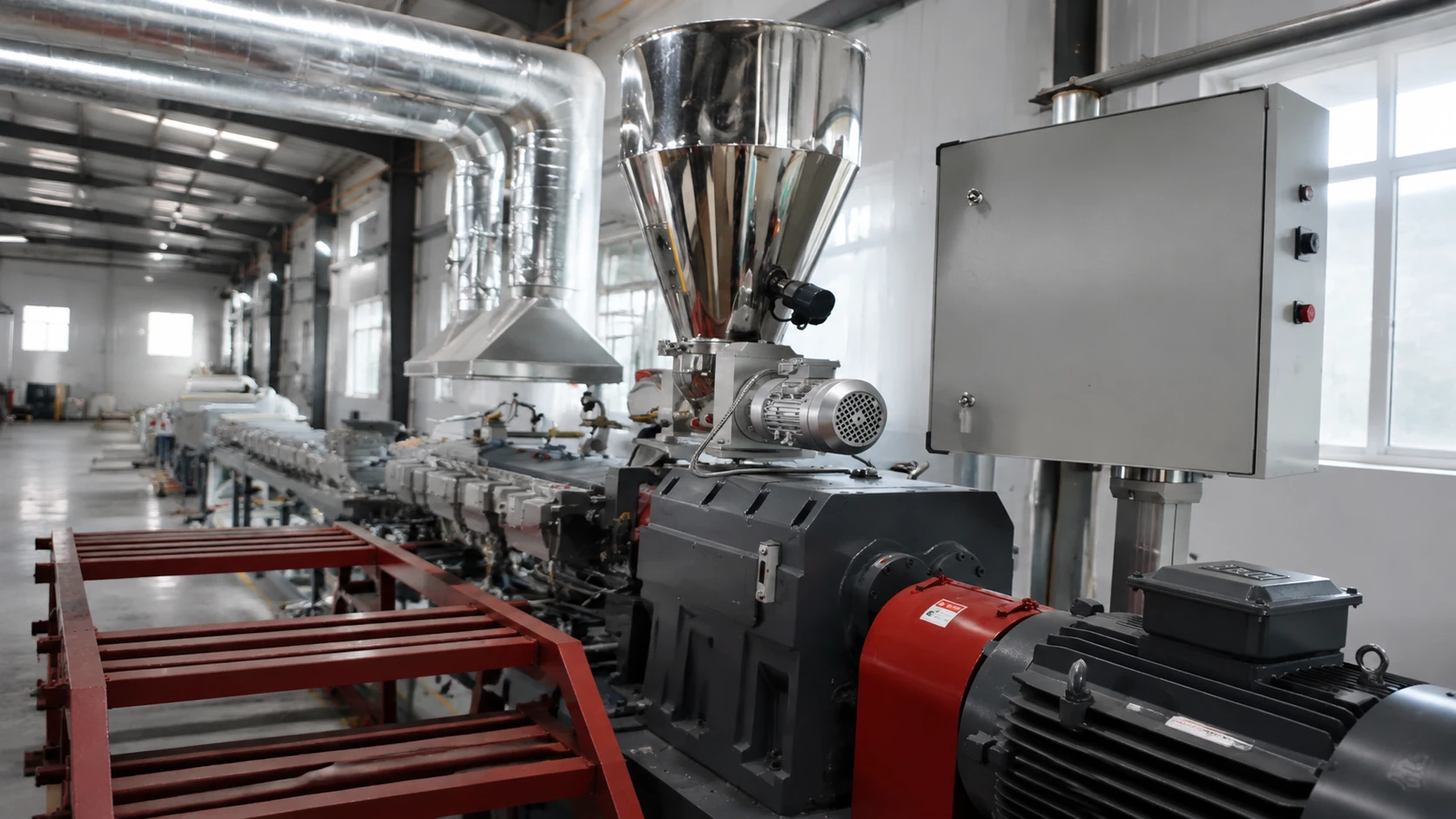
Twin-screw compounding supports impact modifier dispersion and formulation consistency for custom impact-modified PP development.
Quality Control & Testing
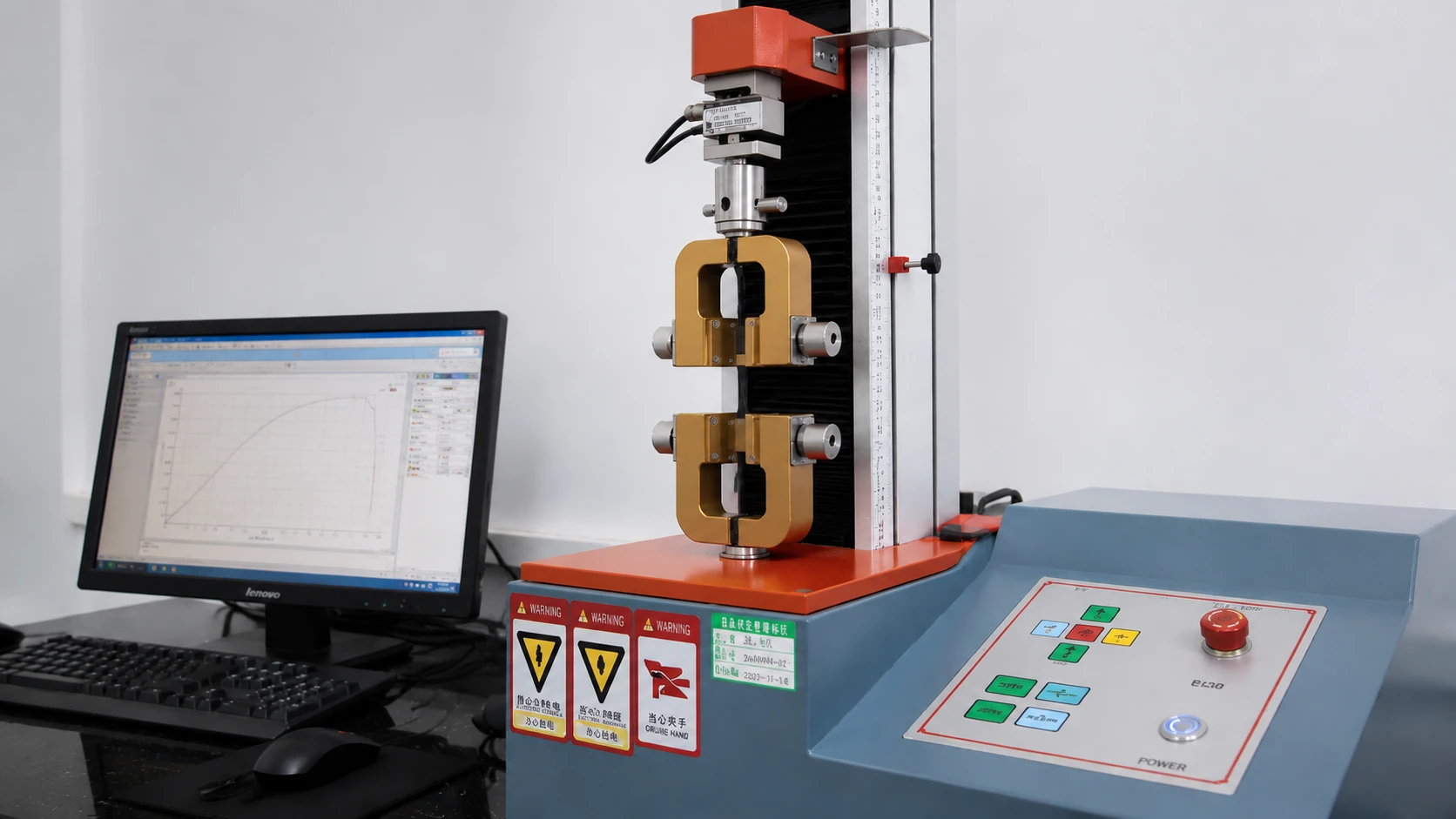
Mechanical and processing checks help verify grade consistency and performance before customer validation.
Custom Development Process
Define requirements
Specify impact requirements, temperature range, mechanical targets, processing conditions, and validation criteria.
Review material options
Evaluate impact-modified PP versus other material families (reinforced PP, FR PP, PC/ABS) for the application.
Propose formulation direction
Based on project requirements, propose formulation directions and documentation that can be provided.
Sample evaluation
Provide samples or test material for evaluation under project-specific conditions and tooling.
Processing feedback
Review molding results, adjust formulation if required, and confirm process window for production.
Commercial supply
Define grade, documentation, quality plan, and supply terms based on validated material and project requirements.
Related Material Solutions
Modified Plastics
Parent product family for custom polypropylene and engineering compound development.
Flame Retardant PP
Flame-retardant performance direction for electrical, battery, and industrial components.
Reinforced Polypropylene
Glass-fiber or mineral-filled PP for stiffness, strength, and dimensional stability applications.
Need a PP Compound with a Specific Toughness and Processing Balance?
Share your part requirements, processing conditions, temperature range, and validation criteria. We can propose material options for evaluation and review documentation that can be provided.